Safe, Professional Squirrel Removal — Grey & Flying Squirrels
Safe, Professional Squirrel Removal — Grey & Flying Squirrels
Scratching in the attic? Noises in the walls? Verdant Pest Control specializes in humane squirrel removal and exclusion for Connecticut homes. In Connecticut, squirrel infestations are especially common in older homes with soffits, rooflines, and attic spaces that provide easy access.
Why Squirrels Don’t Belong in Your Home
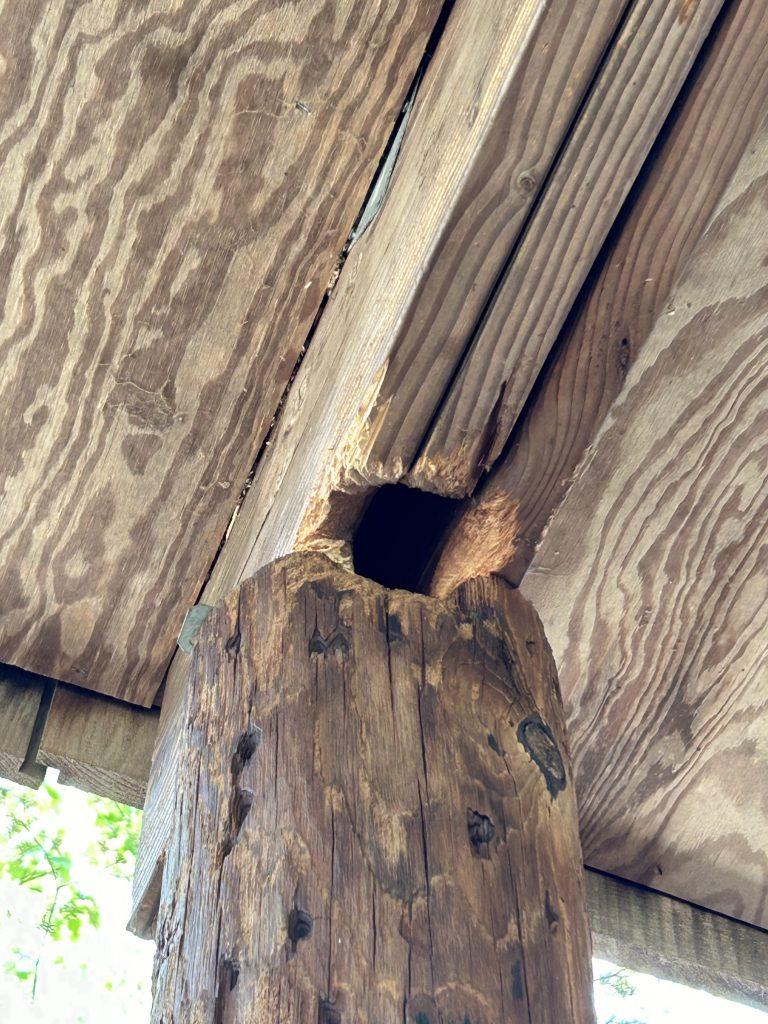
Squirrels may look harmless outside, but once they enter an attic, wall void, or soffit, they can cause serious damage. Both grey squirrels and flying squirrels commonly invade Connecticut homes—especially in fall and winter—seeking warmth and nesting space.
Inside a structure, squirrels can:
Chew electrical wiring (fire hazard)
Tear insulation and ductwork
Create strong odors from nesting and waste
Gain repeated access if entry points aren’t properly sealed
Because squirrels are protected wildlife in Connecticut, removal must be done humanely and legally—and that’s where professional help matters.
Grey Squirrels vs Flying Squirrels — What’s the Difference?
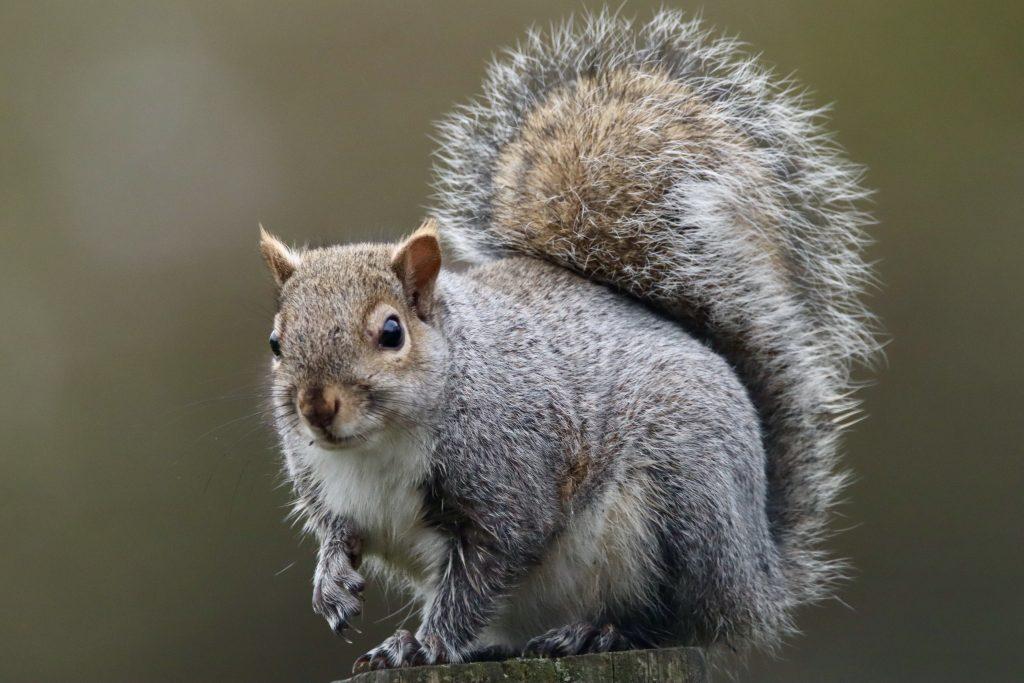
Grey Squirrel Control
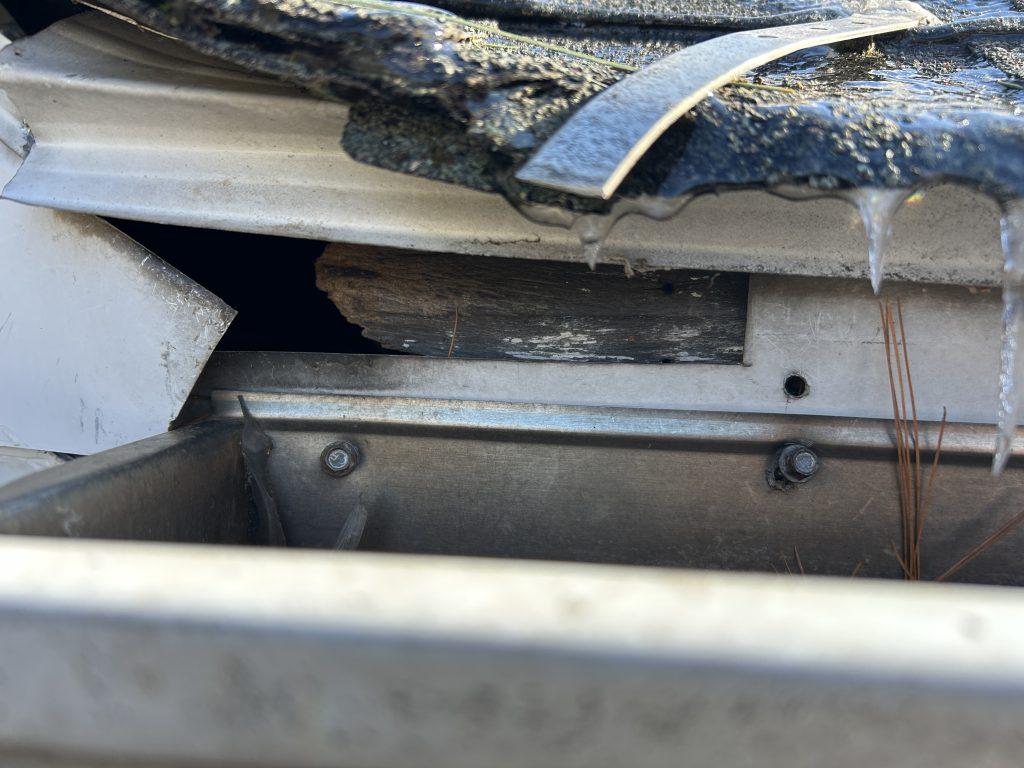
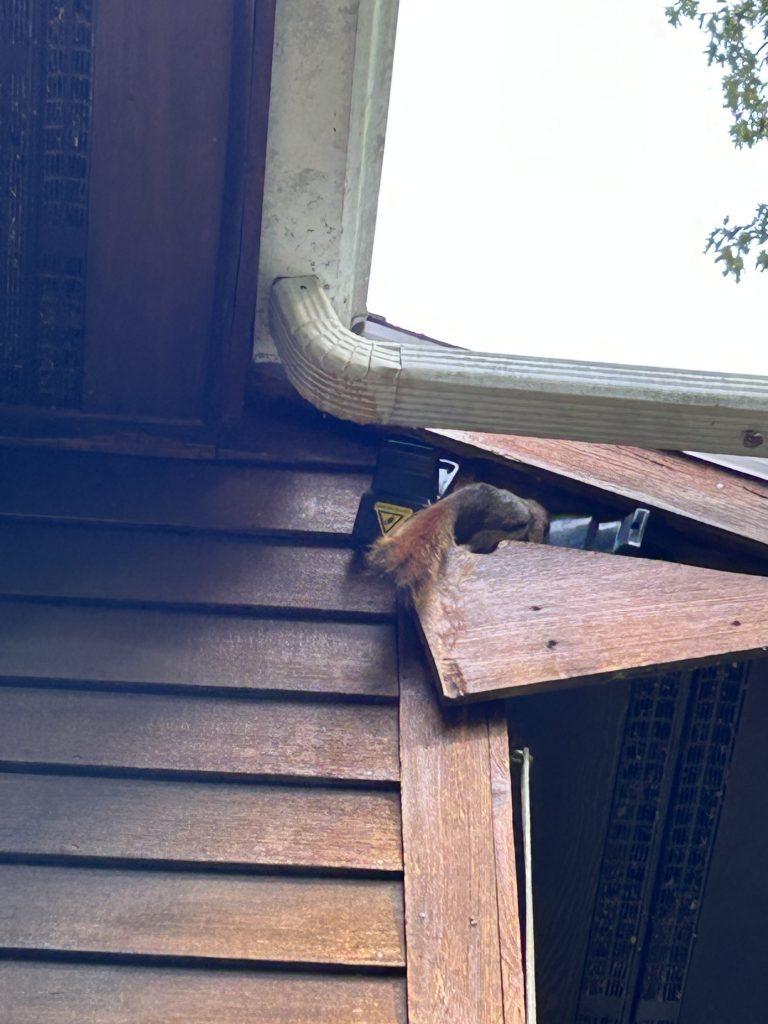
Grey squirrels are active during the day and are the most commonly seen squirrels around homes. They are strong chewers and often enter attics by damaging rooflines, fascia boards, and vents.
Common signs of grey squirrels:
Loud daytime running or jumping noises
Visible damage near roof edges or gable vents
Squirrels seen entering or exiting the roof
Grey squirrels are persistent and will reuse entry points if they aren’t professionally excluded.
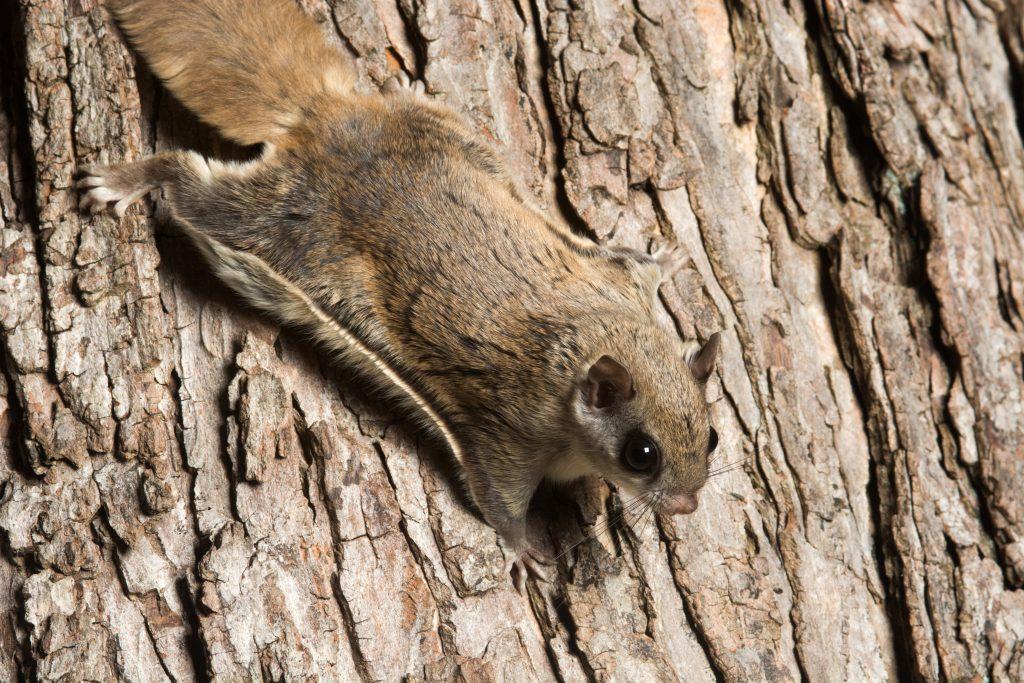
Flying Squirrel Control
Flying squirrels are smaller, nocturnal, and far more likely to go unnoticed—until the problem grows. They don’t actually fly, but glide between surfaces and can access extremely small openings.
Common signs of flying squirrels:
Scratching or movement at night
Multiple animals living together
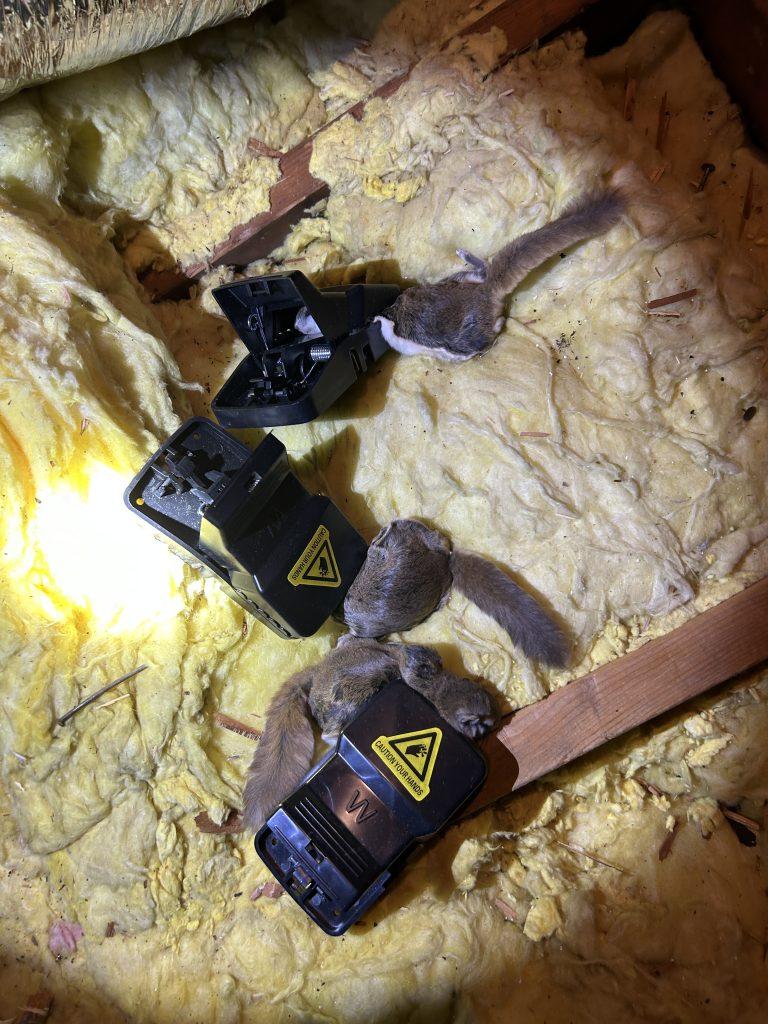
Stains or droppings in attic insulation
No visible exterior activity during the day
Flying squirrels often infest homes in groups, making professional inspection especially important.
Wildlife issues require an on-site evaluation. This form helps us gather initial details before scheduling your inspection.
Squirrel Removal FAQs
Are squirrels protected in Connecticut?
In Connecticut, squirrels are considered wildlife under DEEP regulations and must be handled humanely by a licensed operator. This ensures compliance and safety for both animals and your home.
Can you remove squirrels year-round?
Yes, but timing matters—especially during nesting season. Our inspections determine the safest and most effective approach. Squirrels are most problematic during breeding season, which is January into April.
Will squirrels come back?
Not when exclusion is done correctly. Verdant identifies and seals all active and potential entry points to prevent squirrels from returning. This is another reason why trapping is necessary in order for a successful exclusion service as problem squirrels will chew new holes to get back inside during breeding season.
Do you handle flying squirrels differently than grey squirrels?
Both species have their unique challenges. Flying squirrels are smaller and tend to make smaller and less obvious entry points into a structure. Greys tend to be smarter will often outsmart traps.